California Indian Baskets – part 5
September 9, 2014
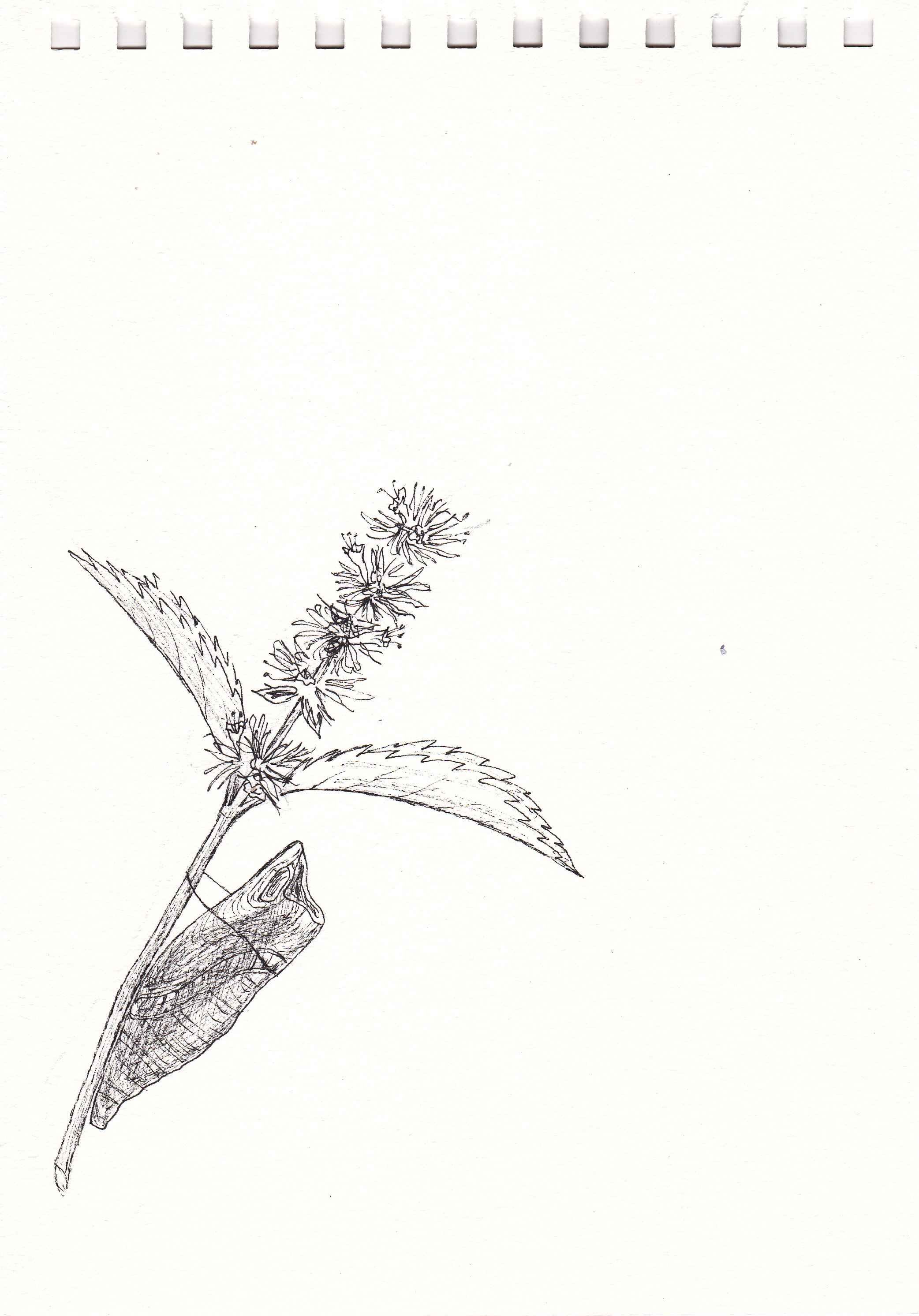
This chrysalis attached to a branch represents the pupal stage when a butterfly undergoes its metamorphosis. The California Indian basket makers seemed to emulate nature when they engineered baskets.
California Indian artistry was reflected in pragmatic ways with their fine nets for carrying burdens, trapping birds and fish. A Pomo burden net made of Indian hemp Apocynum cannabinum fiber cordage with trade Coast Miwok clamshell beads would have held a burden basket, and was used to transport things on an individual’s back using the headband to balance the load. Baskets were used to gather, prepare, store, and serve food. Coiled baskets made from slender willow branches were stitched into place with fine threads made from the underground rhizomes of the sedge plant. The warp and weft, and coiling were terms connected transferring knowledge for making coiled cooking baskets, basket hoppers and coiled cups. Large tightly woven-cooking baskets made from roots that were soaked efficiently hold water to withstand basket boiling to cook acorn mush and other foods. The hopper basket mortar was placed on the ground and the hopper basket constructed from small nicely scraped coiled shoots was placed on top. Water and acorn meal were placed into the basket then hot rocks were dropped in, bringing the content to a boil within minutes.

Burden Baskets were used for food gathering and transporting things. This one features a headband decorated with shell beads like ones made by Coast Miwok that were used in trading.
San Francisco Bay Area tribes prized cylindrical shell beads. Clamshell bead currency conveyed a pragmatic aesthetic value in daily items such as baskets and nets as well as sacred meaning in ceremonial rites that transcended the dominant abstract notion of paper or coin currency. Beyond being used as money (a medium of exchange), clamshell discs reflected value that was generally accepted or in vogue; within the context of time and place it reflected a quality of being and abundance that was widely accepted and circulated from person to person. Clam disc beads manufactured by the Coast Miwok were discovered at cremation sites at Olompali in Marin County suggesting that baskets embellished with these beads were burned with the dead.
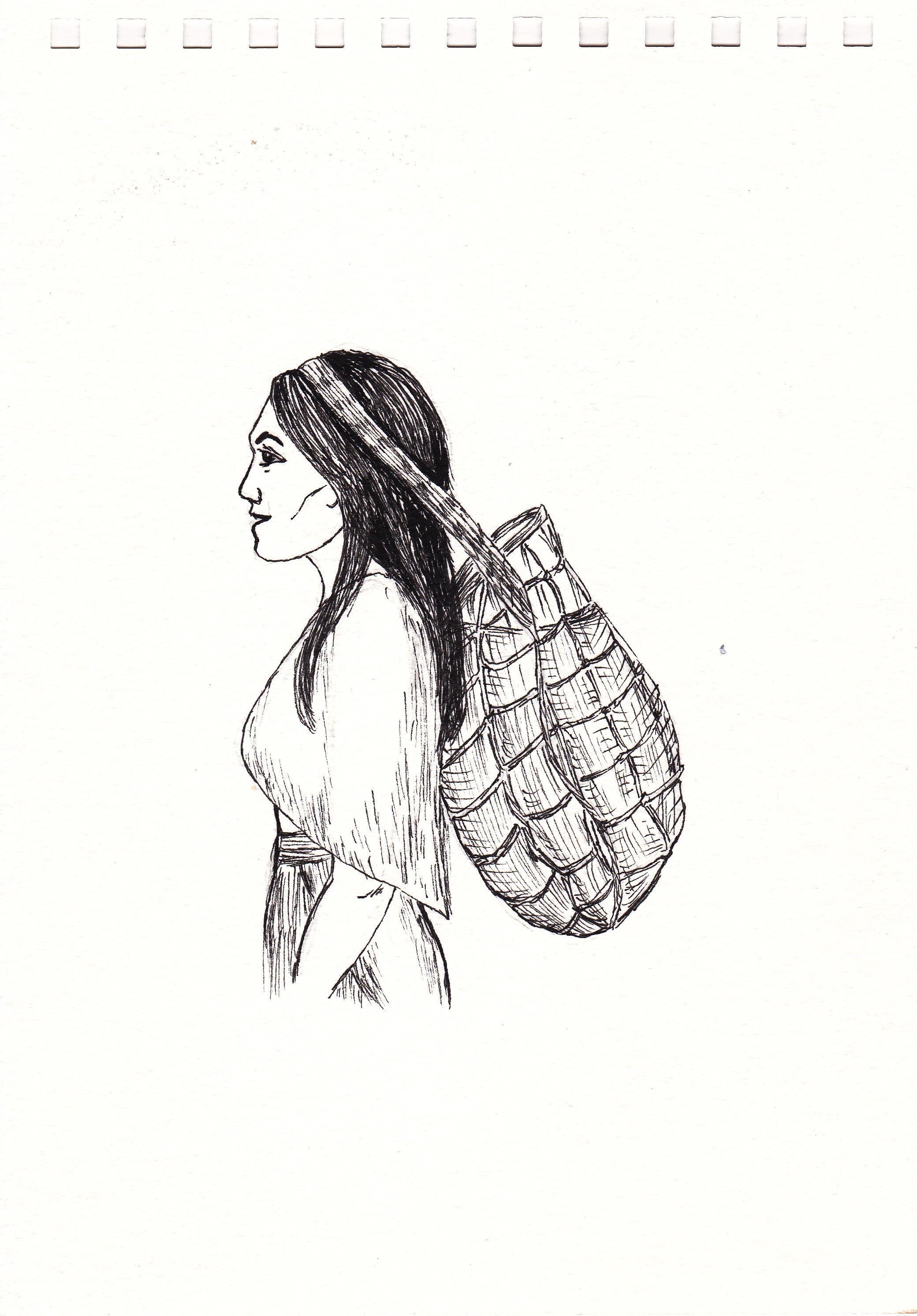
Once California Indians entered the Mission systems, they lost the ability to gather and cultivate native plants needed to make baskets, they also lost access to the foods that they had evolved with. This is an example of a burden net made with hemp.
California Indian Baskets – part 2
September 5, 2014
The Coast Miwok, originally a Northern California group of peaceful hunter-gatherer tribes, made their home in what is today Marin and southern Sonoma counties. The Coast Miwok consisted of about fifteen independent multi-village tribes that spoke related languages – however – linguists later assigned this grouping the name Coast Miwok.
Status in this environment was achieved through the artistry and accomplishments. The Coast Miwok headman (hoipu) and headwoman (maien) controlled social behavior through suggestion and influence rather than through heredity or coercion. Baskets were constructed for gendered essential to economic stability, diplomatic intertribal relationships, and a sacred harmony. Spirit imbued the creation of baskets from the basket making materials to their eventual contents.
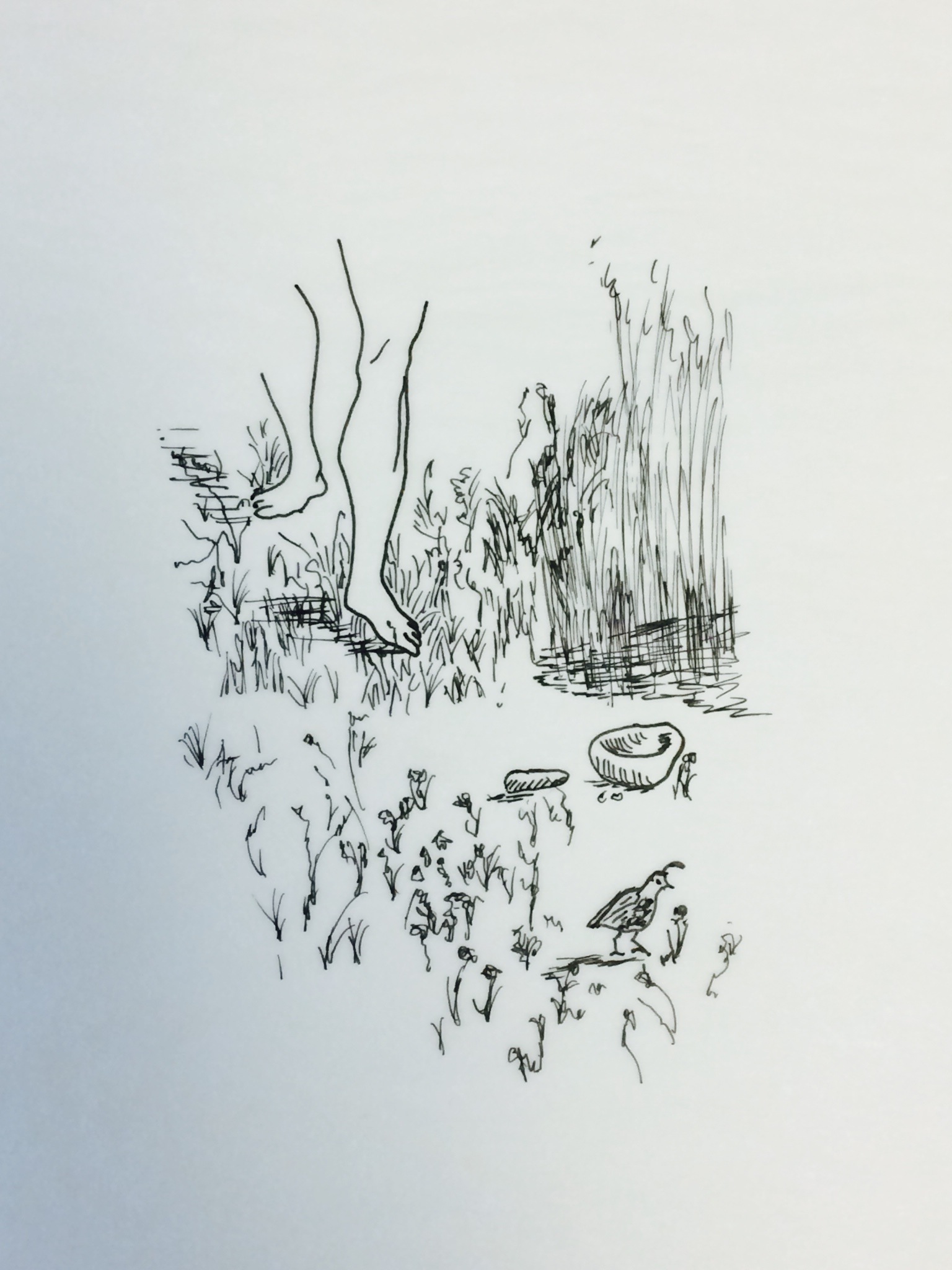
Oak trees were central to Coast Miwok life. Stewardship of oak groves passed through family lines. Acorns, which can be stored for two years or more, were the most important seeds for life contributing carbohydrates, protein, fiber, and fat to diet. From about 1200 A.D., the Coast Miwok and other coastal tribes began to manufacture clamshell beads used as currency in exchange for a wide range of goods and services from an edible clam Saxidomus nuttali with a thick shell found only near Tomales Bay and Limantour Estero. The value of currency was linked to communal function and aesthetics and not to abstract concepts of individually accumulated material wealth.
 MME Designs's Weblog